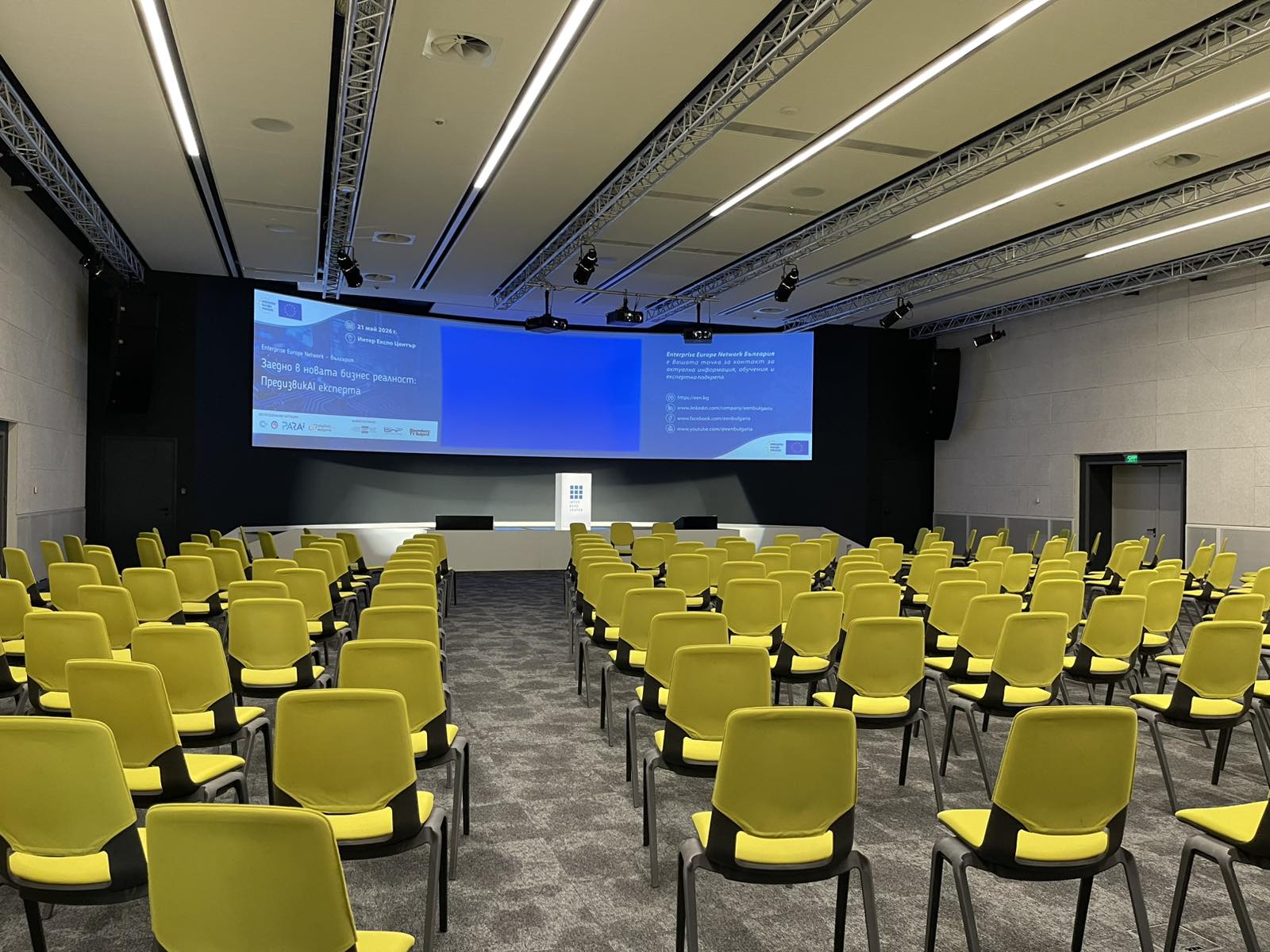
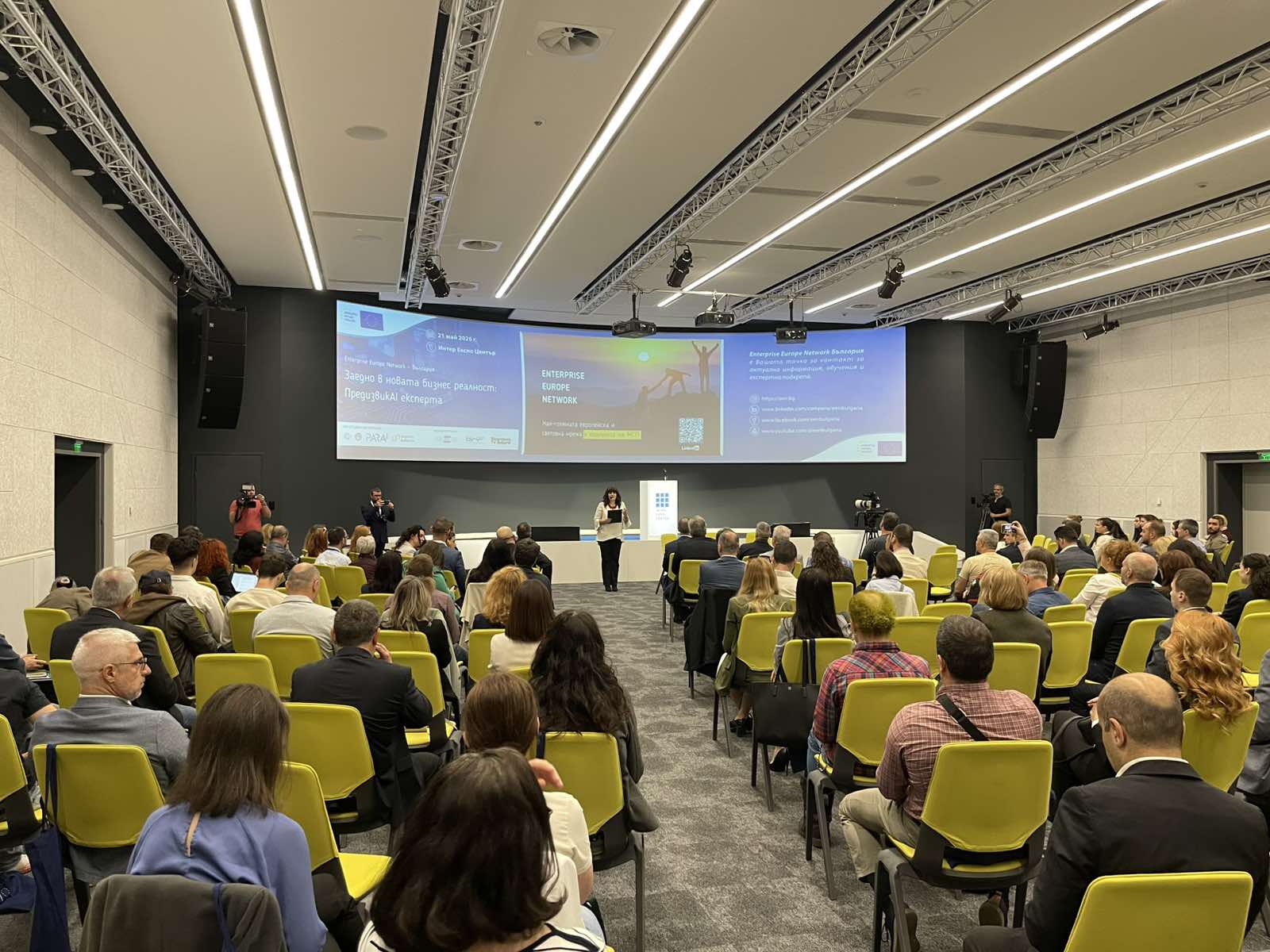
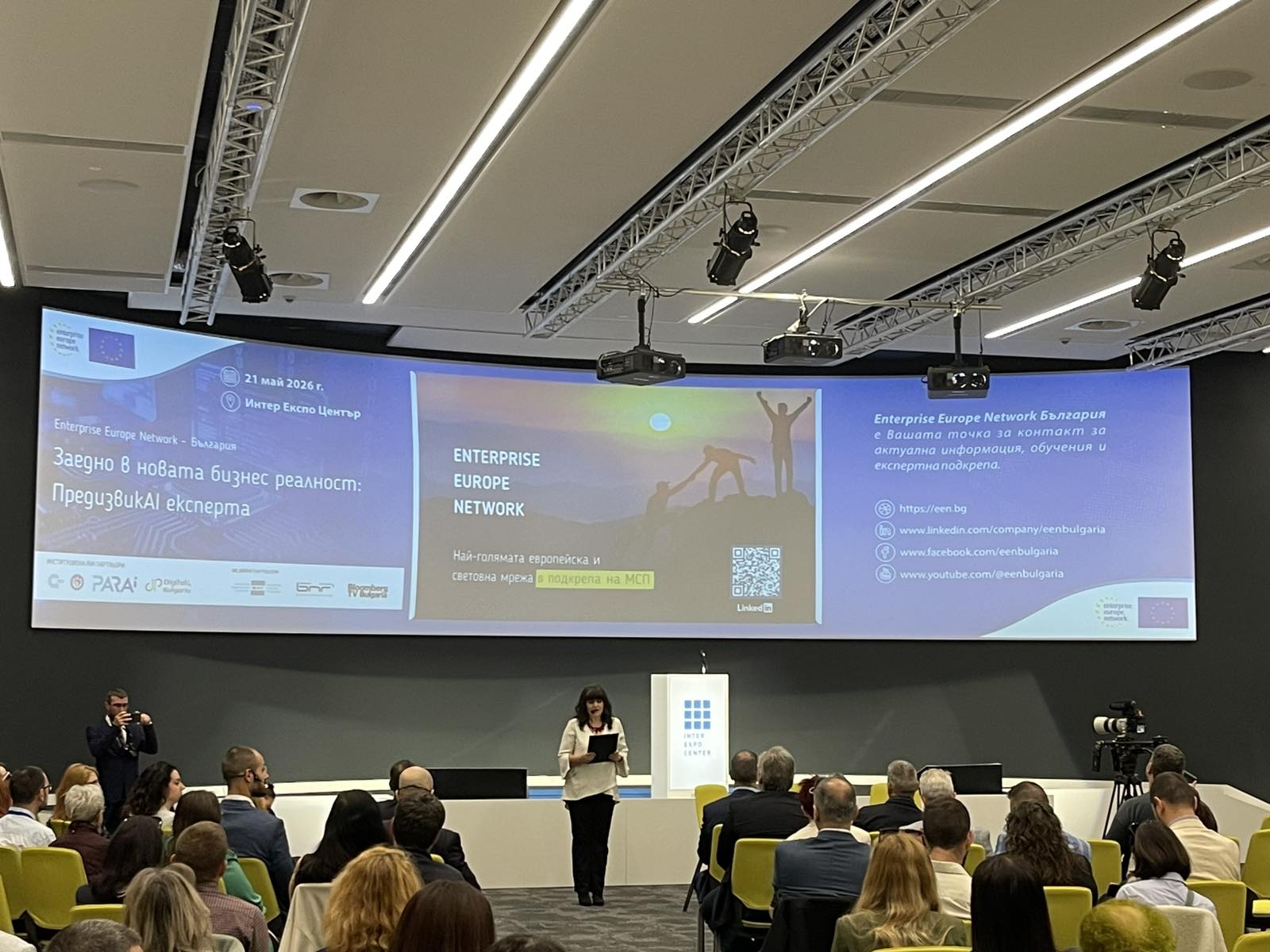
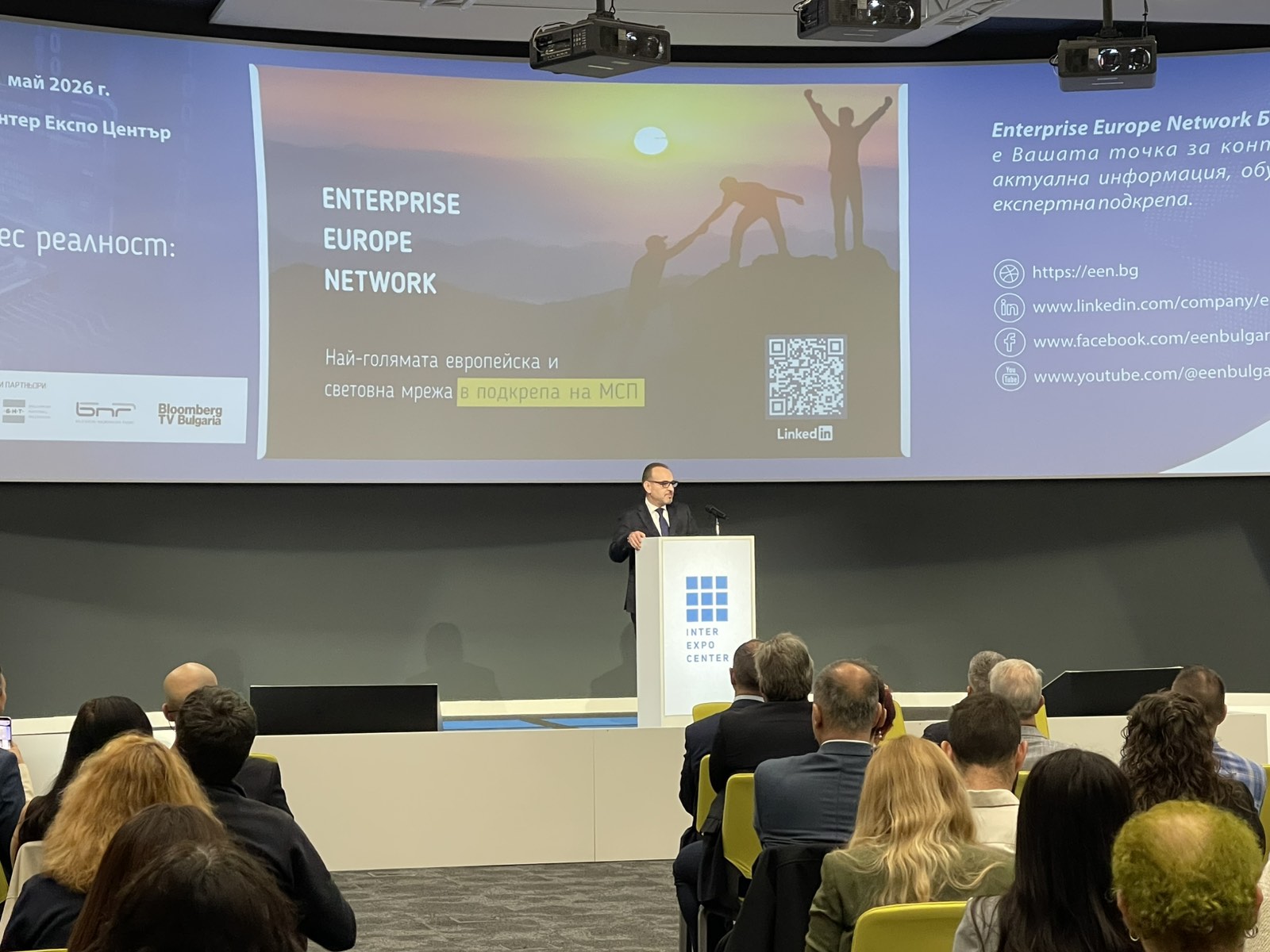
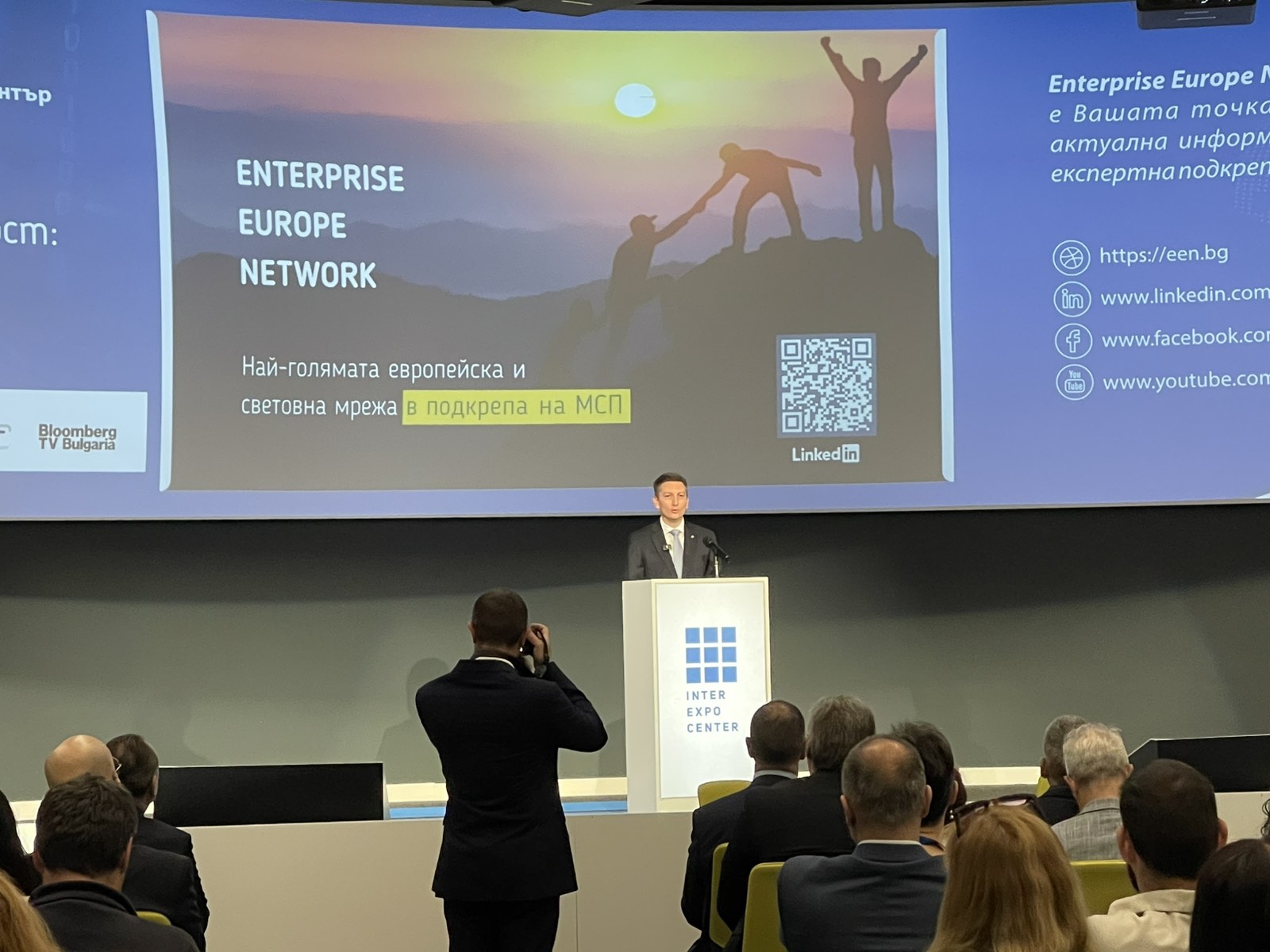
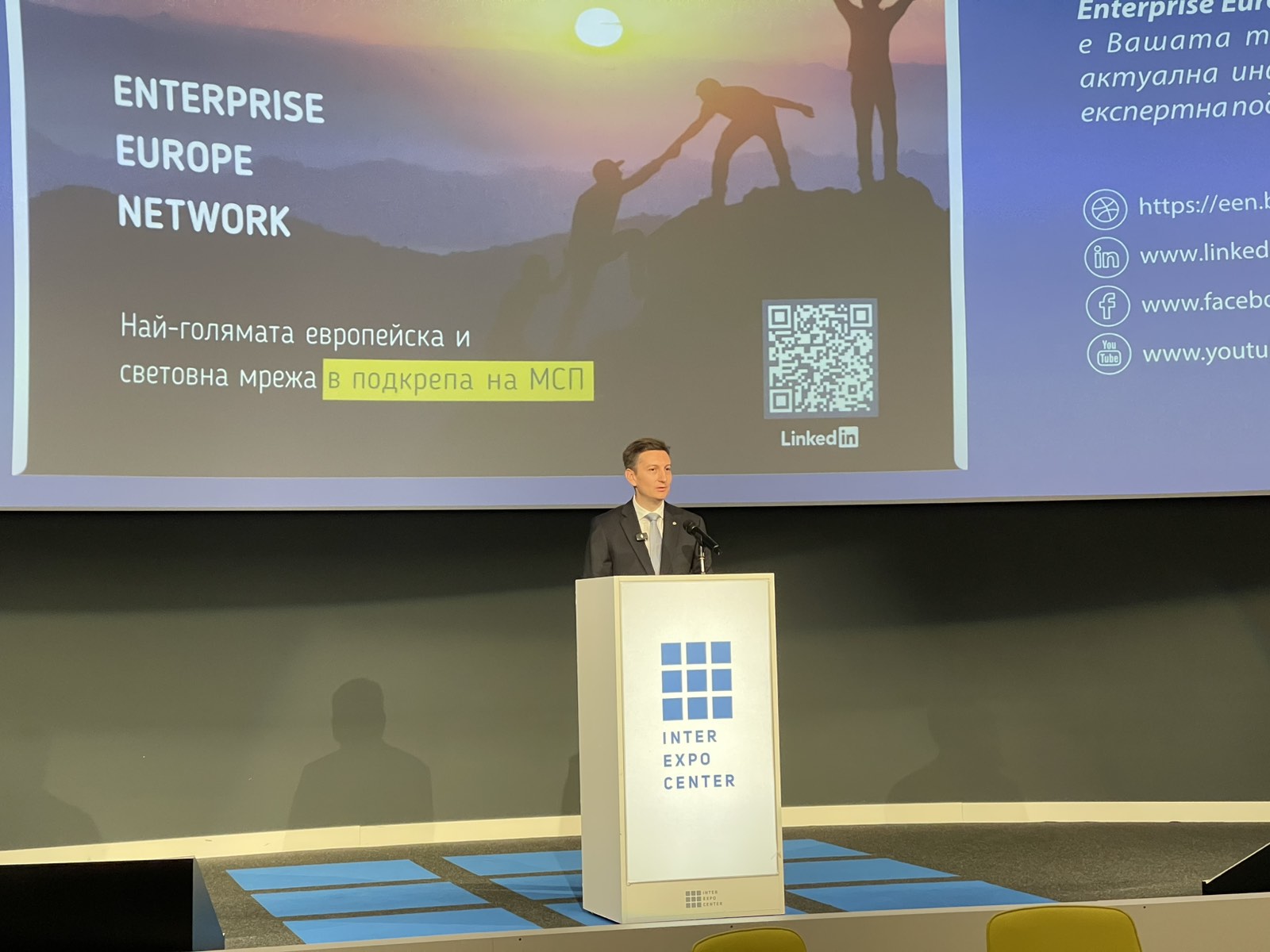
The new business reality does not ask whether we are ready. It is already setting the conditions. The question is whether we will face it passively, or manage it with reason, competence and responsibility,“ said the Chairman of the Bulgarian Industrial Association (BIA), Dobri Mitrev, during the opening of the conference “Together in the New Business Reality: Challenge the AI Expert”, held on 21 May 2026 at Inter Expo Center, Sofia.
The forum was organised by Enterprise Europe Network Bulgaria, a European business support network with global reach that supports the development of small and medium-sized enterprises (SMEs). In Bulgaria, the network brings together nine organisations located in Sofia, Plovdiv, Varna, Stara Zagora, Ruse, Gabrovo and Blagoevgrad, with the Bulgarian Industrial Association serving as national coordinator.
According to the Chairman of the BIA, the topic of artificial intelligence goes far beyond technology itself. It is a managerial, economic, legal, ethical and human issue. Artificial intelligence can accelerate growth, improve productivity and open new markets. However, it also raises a number of serious questions:
- Who is responsible for decisions supported by algorithms?
- How can sensitive information be protected?
- How can we ensure greater security through prevention?
- How do we preserve human judgement?
- How can SMEs implement new technologies without being overwhelmed by complexity, costs and regulations?
“Today, we are not only talking about managing energy, raw materials and finances. We are also talking about managing knowledge. About how the experience of one generation meets the digital skills of another. About how algorithms can support, but not replace, human responsibility. About how technologies can be tools rather than goals in themselves. I believe the most important capital of the Bulgarian economy is its people – entrepreneurs, engineers, managers, workers and young professionals who have the courage to learn and change. Artificial intelligence can be a powerful ally, but the direction must be determined by humans,” Dobri Mitrev added.
The newly established Ministry of Innovation and Digital Transformation has two clear objectives. The first is accelerated economic growth based on high value-added products and services – innovations, technologies, artificial intelligence, robotics, drones and everything else that will transform the economy. The second is improving public administration processes through technology and AI in order to make administrative services more accessible, easier and more convenient for citizens and businesses. This was stated by the Minister of Innovation and Digital Transformation, Ivan Vasilev, during the forum. The Minister emphasised that artificial intelligence is a tool for achieving more with fewer resources. “Its purpose is not to replace skilled and knowledgeable people, but to support them and save time,” Vassilev explained.
“I deeply believe that technology is a means of achieving more with less. From the perspective of the Ministry of Innovation and Digital Transformation, AI primarily means high value-added products and services – a tool for economic growth. We must transform the state from an observer into an active accelerator of this growth, attract talent from abroad and retain talent in Bulgaria,” Minister Vasilev said.
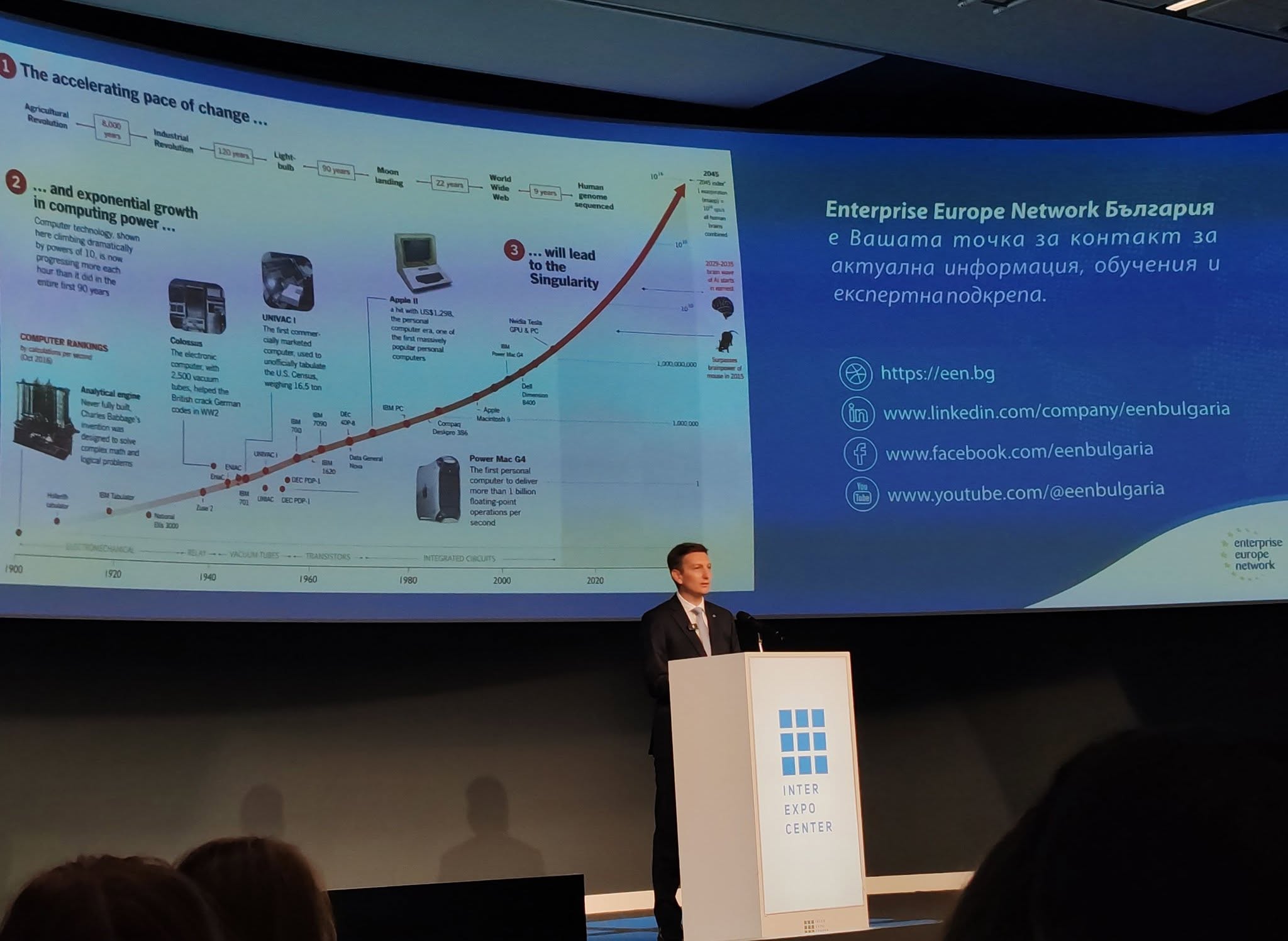
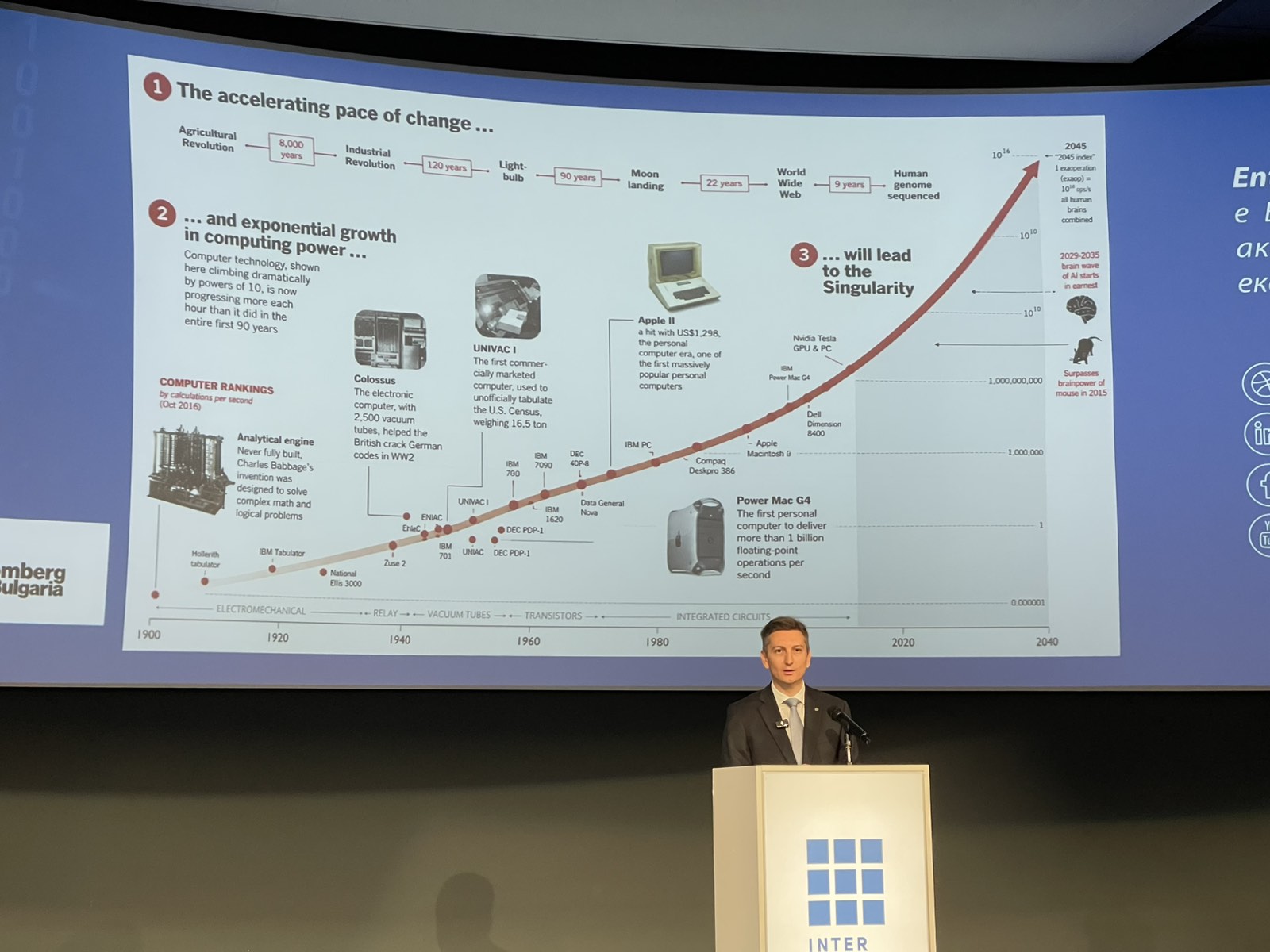
He stressed that technologies will not make people obsolete and that AI can be extremely beneficial. Minister Vasilev challenged the experts in the room with the question: “What happens to us as a species when the curve of exponential technological development continues rising? Are we ready as a society and as individuals for this?”
“Think about what the world will look like in 2030 or 2045, when singularity arrives. Together we must prepare Bulgarian society for these challenges, because they concern all of us,” the Minister urged.
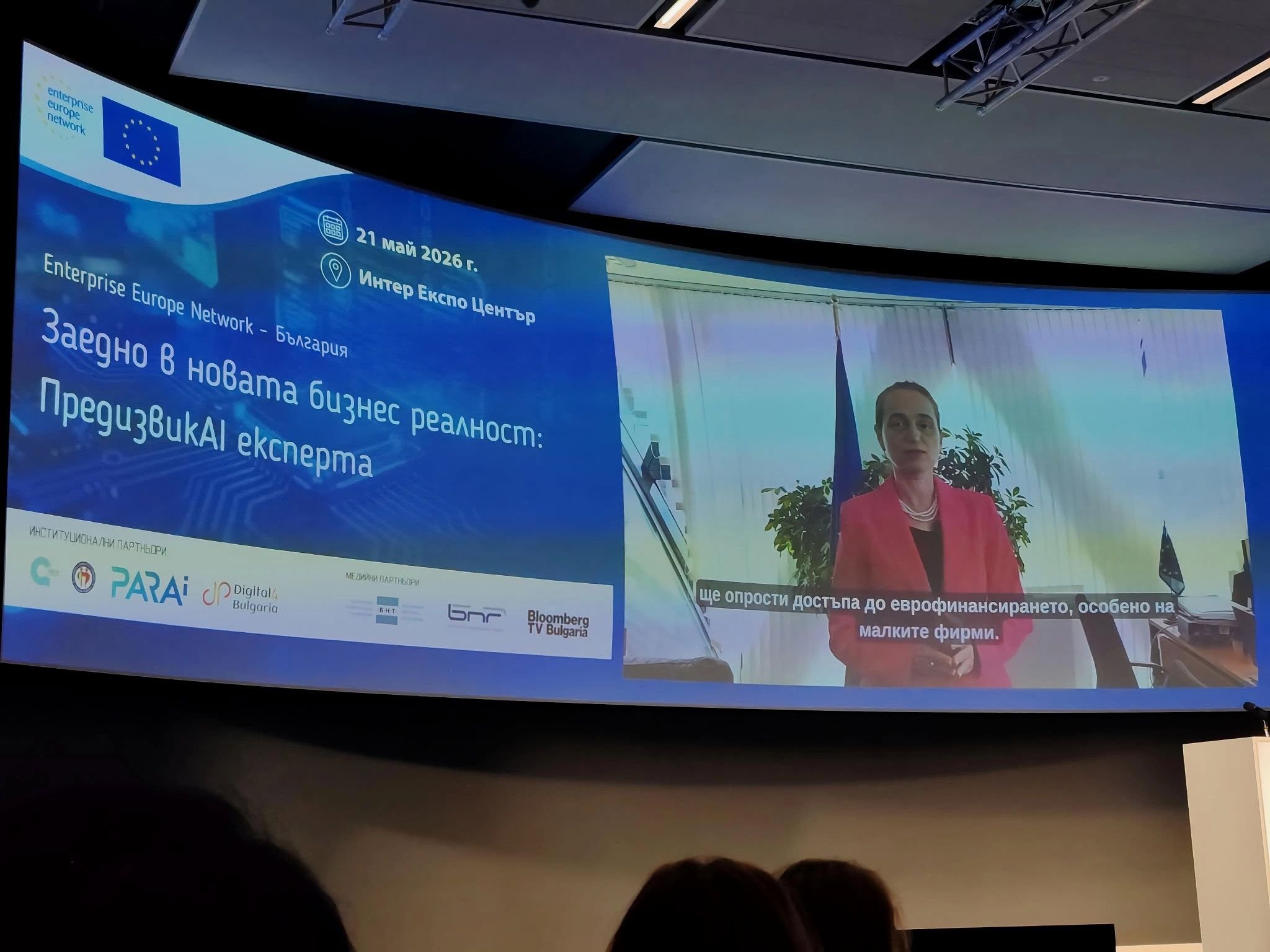
In a video address to the conference participants, Yordanka Chobanova, Head of the European Commission Representation in Bulgaria, wished the forum success and expressed hope that it would become a tradition. “Business leads – not through presentations, but through dialogue. Europe seeks direct communication. For the European Commission, EEN is not only an instrument to support SMEs, but also a channel for feedback. We want new regulations to be aligned with the capacities of small companies,” said Chobanova, emphasising that simplifying European regulations and reducing administrative burden for businesses are among the European Commission’s key priorities.
She also noted that the so-called “28th regime” has already been officially published, and by the end of next year companies are expected to operate more easily across the entire European market.
Chobanova further pointed out that the European Parliament and the Council of the EU have reached an agreement in the field of artificial intelligence. According to her, this will provide greater predictability and security for businesses, including through extended implementation deadlines for high-risk AI systems. She explained that the package includes changes to GDPR, the ePrivacy Directive, the Data Act and the NIS2 Cybersecurity Directive in order to reduce overlapping requirements and administrative costs for companies. According to Chobanova, the introduction of a new category for small mid-cap companies within NIS2 will ease requirements for more than two-thirds of the companies falling within the scope of the directive.
She also highlighted the future European competitiveness programme, which will facilitate access to funding and support for SMEs through a “one-stop-shop” approach and EU business support networks.
The forum was divided into two thematic sessions.
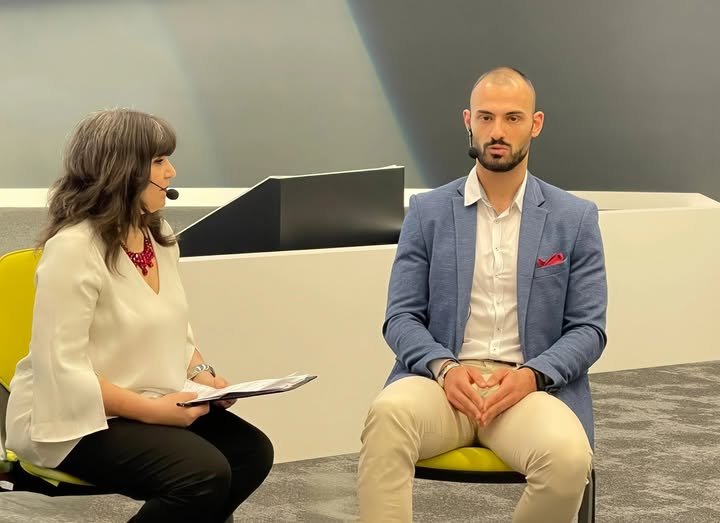
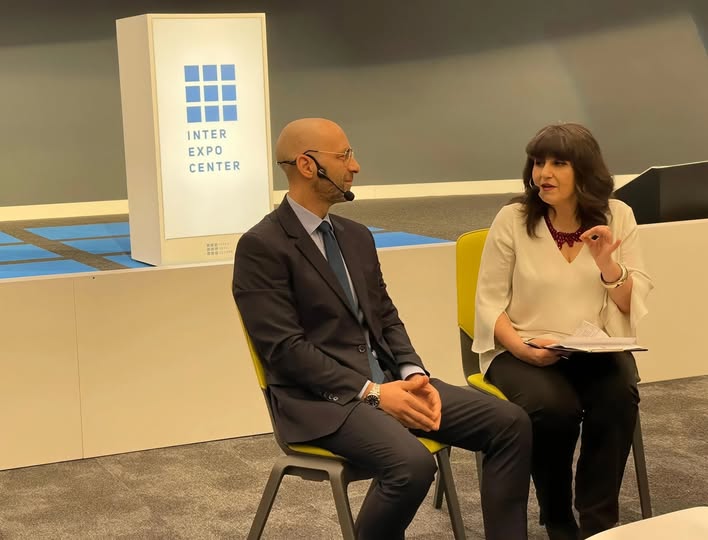
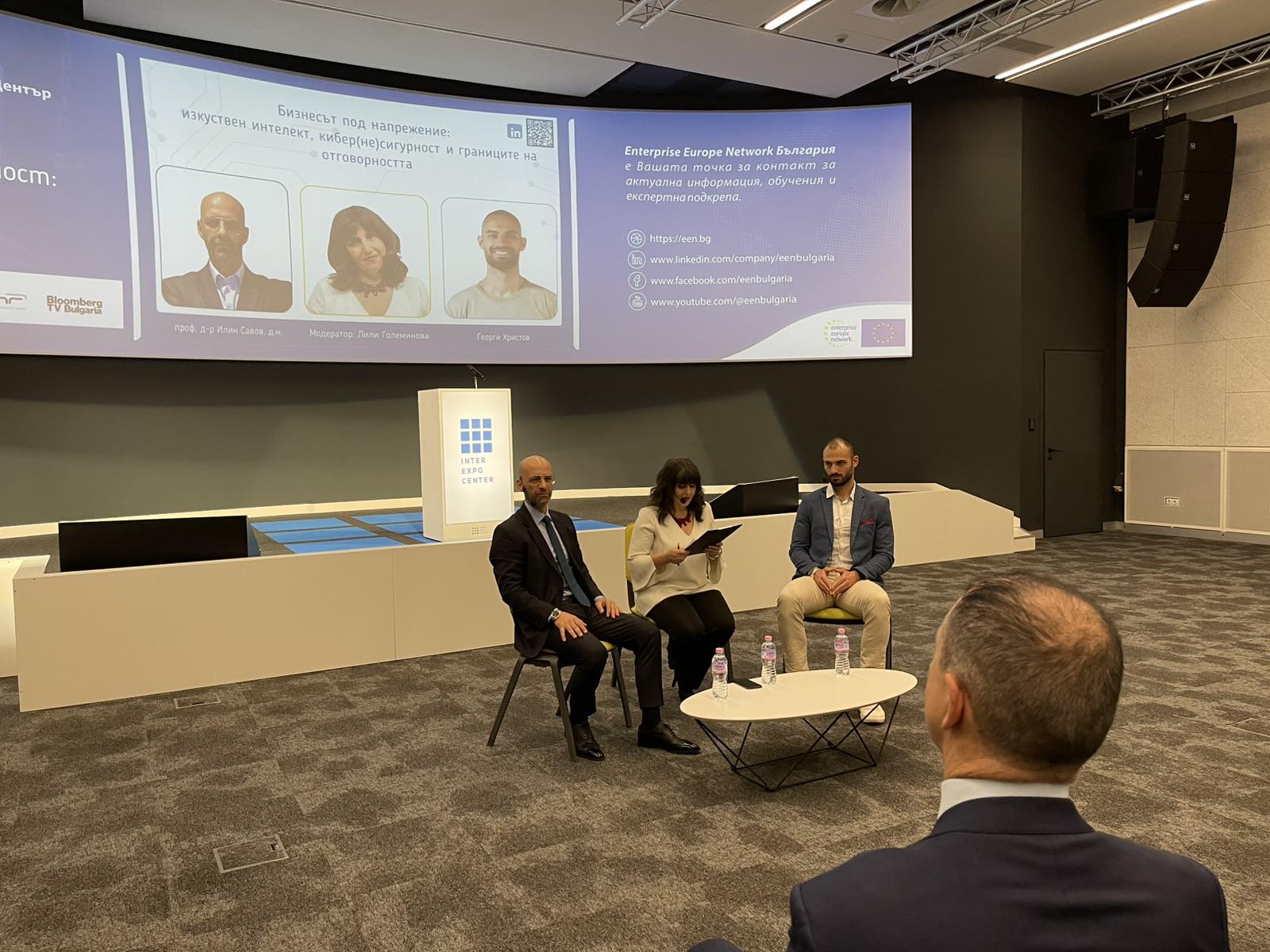
The first session, “Business Under Pressure: AI, Cyber(In)Security and the Boundaries of Responsibility”, featured Prof. Dr. Ilin Savov, an internationally recognised expert in cybersecurity, cyber prevention and digital protection with more than 25 years of practical experience in security services, the Ministry of Interior and academia, and Georgi Hristov, a lawyer specialising in law and technology, intellectual property in the digital environment, personal data protection and AI regulation.
Prof. Dr. Ilin Savov highlighted one of the most important conclusions regarding artificial intelligence, digital security and the future of business: the greatest vulnerability in any organisation is no longer the system – it is the human being. Today, AI-assisted digital crimes no longer attack only servers, platforms and infrastructure. They target trust, habits, attention and human psychology. Fake platforms, deepfake content, manipulative emails, voice imitation and social engineering scenarios can now be created within minutes.
“The new digital crimes assisted by artificial intelligence attack trust, not simply systems. No one can protect a system once human psychology is under attack.”
This fundamentally changes the way businesses must think about cybersecurity. It can no longer be viewed solely as the responsibility of the IT department. Cybersecurity is organisational culture, training and prevention, clear internal processes, the ability to react under pressure and an environment in which employees are not afraid to report suspicious activity.
Particularly strong was the warning directed at SMEs, which often believe they are “not large enough” to become targets.
“In the digital environment, two states are punished: overconfidence that ‘it cannot happen to me’ and naivety that ‘nobody would bother with me’.”
According to Prof. Dr. Savov, organisations must build a “digital reflex” – the ability of employees to recognise suspicious behaviour early, react in a coordinated manner and not underestimate signs of attack. This requires regular training not only of a technical nature, but also behavioural and practical training.
Perhaps the strongest message from the panel was that absolute security does not exist. Responsibility, however, does.
“There is no such thing as 100% security, but there is 100% responsibility.”
Georgi Hristov focused on one of the most current topics for businesses and the creative industries. AI is no longer simply an automation tool – it is changing the way we understand originality, the creative process and the legal protection of content.
“The question today is where human creativity ends and machine-generated content begins.”
According to Hristov, using AI tools does not automatically mean that the generated content qualifies for copyright protection. Human contribution is becoming increasingly important – creative vision, specific instructions and individual artistic input.
“To speak of originality in AI-assisted content, we must be able to identify human style, creative vision and a sufficiently specific contribution.”
He also drew an interesting parallel between AI and the camera – a tool capable of materialising a human idea, but not automatically recognised as an author itself.
“Artificial intelligence can be viewed as a tool, much like a camera, when it merely materialises a clearly defined human creative vision.”
The topic of intellectual property in the AI era is no longer merely a legal detail. It is becoming a strategic issue for every business that creates, publishes or uses content.
Because together with opportunities come crucial questions:
- Who owns the rights to AI-generated content?
- Can it be protected?
- Where is the boundary between human contribution and machine generation?
- And how can businesses use AI responsibly and securely?
Hristov reminded participants that companies must not only use AI tools, but also understand the legal consequences, risks and the need for clear processes, awareness and responsible content management.
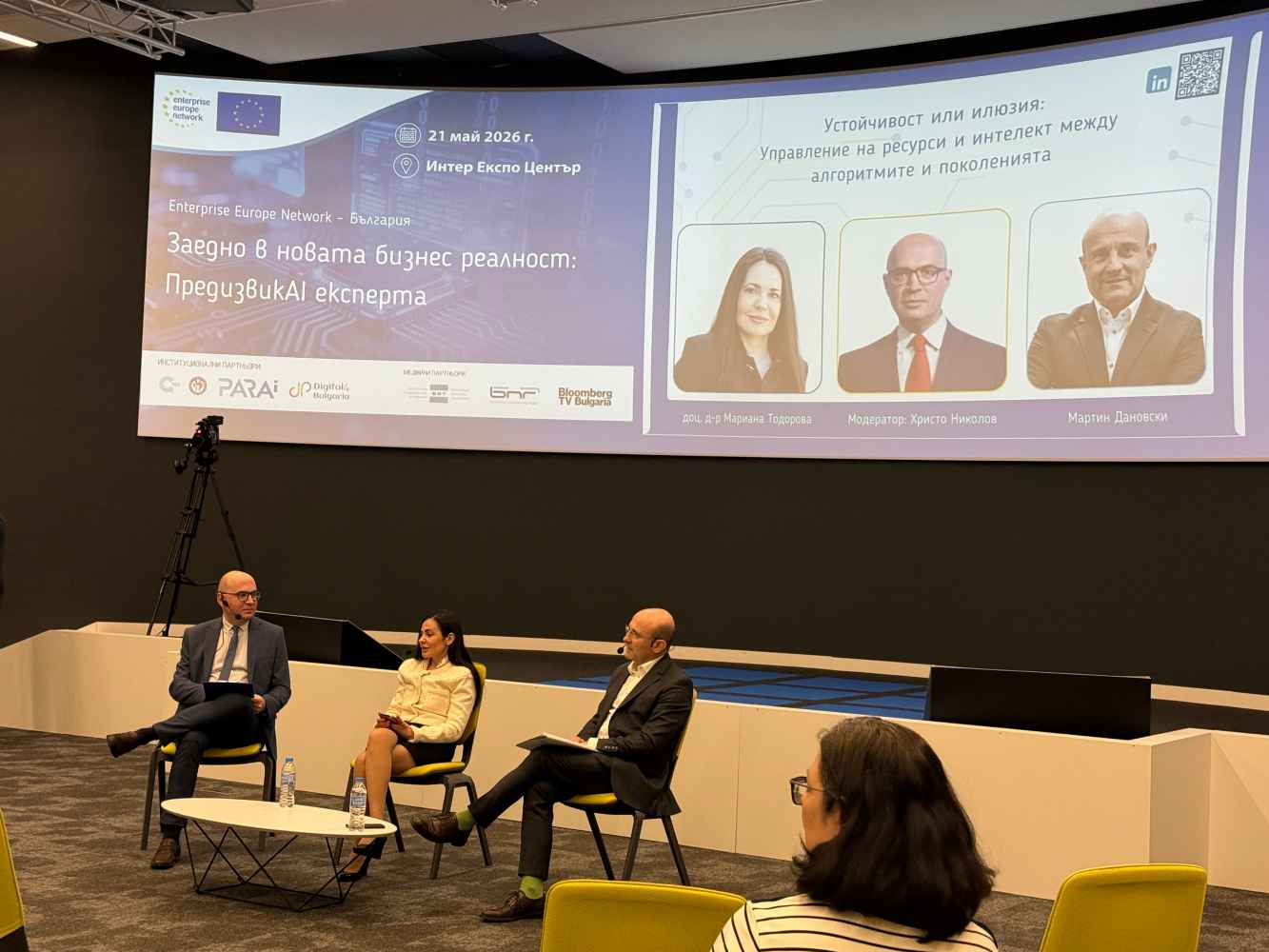
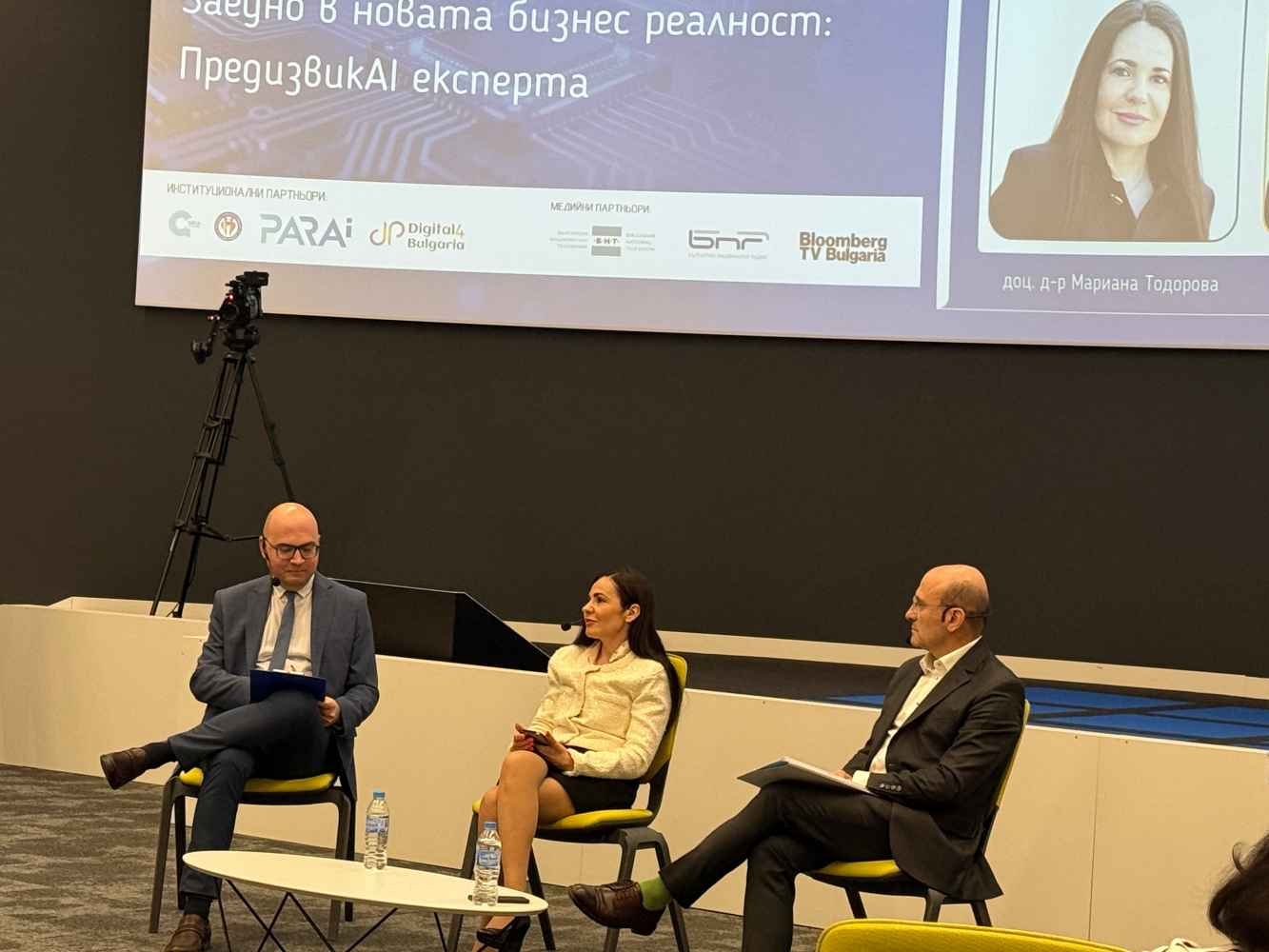
The second session, “Sustainability or Illusion: Managing Resources and Intelligence Between Algorithms and Generations”, featured Martin Danovski, an economist with more than 20 years of experience in business and public administration, and Dr. Mariana Todorova, futurist, associate professor at the Institute of Philosophy and Sociology at the Bulgarian Academy of Sciences, strategist and author.
Business can no longer rely on stable trends – it must learn constant adaptation. This was one of the key messages from Dr. Mariana Todorova. Today’s consumers are increasingly informed, critical and demanding. They are shaped by generational, cultural and price-driven factors and live in an environment of influencers, conspiracies, information overload and countertrends.
One of the key conclusions was:
“Illusions can be sustainable – but only until a strong countertrend emerges.”
In the context of AI, 2026 is shaping up to become the year of AI agents. However, not every implementation will succeed. Some solutions will fail not because the technology lacks potential, but because trust, need and cultural acceptance will prove decisive.
Dr. Todorova reminded the audience that in a world shaped by AI, the human factor does not disappear. On the contrary – it becomes even more important, especially where emotional intelligence, contextual understanding and judgement beyond data are required.
Martin Danovski also raised important questions about whether the green and digital transitions are an illusion or reality in today’s economic agenda. He stressed that these transformations are ambitious objectives that must prove their real economic value over time.
In the new environment, competitiveness is acquiring new characteristics. After the “sweet slumber” of globalisation, businesses must adapt to a new logic based on shorter and more resilient value chains, technological development as a foundation for growth, and a different type of strategic planning.
In this context, Bulgaria must clearly answer the question: What is its place on the new map of competitiveness?
A particularly important emphasis was placed on the role of intelligence and knowledge as organisers of resources.
“Intelligence is no longer merely a tool. It is becoming the focal point around which resources, processes and decisions are organised.”
Danovski also highlighted the “28th regime” as a vision for increasing EU competitiveness through a more simplified and unified framework for companies. Potential business benefits include lower costs for export-oriented companies, equal rights and protections across the EU, easier access to capital markets and a more predictable growth environment.
At the core of this vision stands the so-called “fifth freedom” – the free movement of knowledge.
“Because the next phase of growth will not depend solely on capital, markets and infrastructure. It will depend on knowledge, technologies and the ability to adapt rapidly.”
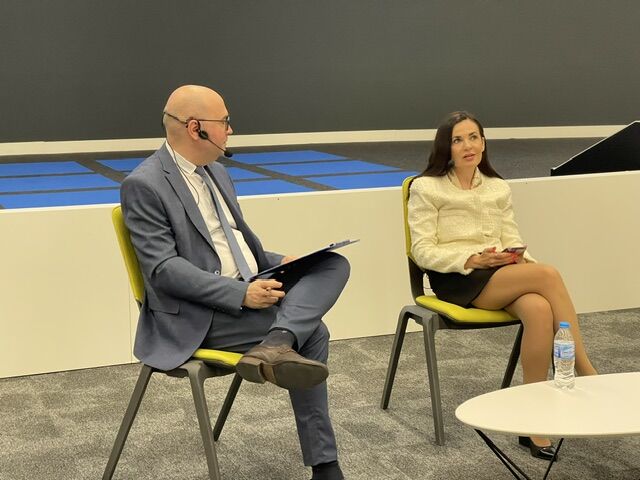
The two discussion panels were moderated by journalists Lili Goleminova (Bulgarian National Radio) and Hristo Nikolov (Bloomberg Bulgaria). We would like to express our sincere gratitude to them for accepting the demanding challenge of managing, in real time, the spontaneous discussion between the guests in the hall and the experts.
The forum was held with the media partnership of the Bulgarian National Radio, the Bulgarian National Television, and Bloomberg TV Bulgaria.
PUBLICATIONS ON THE TOPIC (in BG):